My Store
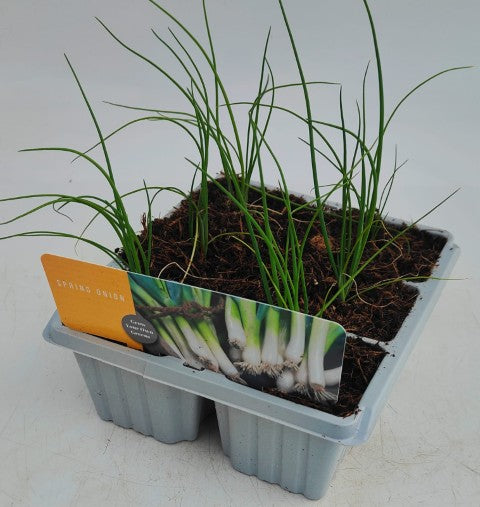
x10 Spring Onion Allium - Vegetable Transplants
x10 Spring Onion Allium - Vegetable Transplants
Couldn't load pickup availability
Spring onions, also known as scallions or green onions, are a popular ingredient in many cuisines due to their mild flavor and versatility. They are easy to grow and can be cultivated in gardens, pots, or even indoors. Here’s a guide on spring onion plants from planting to harvesting.
Growing Spring Onions
1. Choosing the Right Variety
- Common varieties include
White LisbonandTokyo Long White. - Select based on your climate and the length of the growing season.
2. Planting
- Timing: Spring onions can be planted in early spring or fall, depending on your climate.
- Soil: They prefer well-drained, fertile soil with a pH of 6.0 to 7.0.
- Location: Select a sunny spot with at least 6 hours of direct sunlight per day.
- Spacing: Plant seeds or sets approximately 12-15 cm (4-6 inches) apart, in rows that are about 30 cm (12 inches) apart.
3. Watering
- Keep the soil consistently moist but not waterlogged. Watering should be done regularly, especially during dry spells.
4. Fertilization
- Apply a balanced fertilizer at planting time and again when the plants are a few inches tall to support their growth.
5. Care
- Remove weeds to reduce competition for nutrients.
- Thin seedlings if they are too close together to ensure better growth.
6. Pests and Diseases
- Monitor for common pests like aphids and onion flies. Use organic pesticides or companion planting to deter them.
- Prevent disease by rotating crops and ensuring good air circulation.
Harvesting
- When to Harvest: Spring onions can usually be harvested about 8-12 weeks after planting. They should be harvested when they’re young and about 20-25 cm (8-10 inches) tall for the best flavor.
- How to Harvest: Gently pull the onions from the soil, being careful not to damage neighboring plants. You can also cut them at the base to encourage regrowth.
Storage
- Fresh spring onions can be stored in the refrigerator for up to a week. They can also be dehydrated or frozen for longer storage.
- Place them in a plastic bag with a damp paper towel to maintain moisture.
Culinary Uses
Spring onions can be used raw in salads, as a garnish, or cooked in soups, stir-fries, and various dishes. They add a fresh, mild onion flavor without the intensity of regular onions.
Regrowing Spring Onions
You can also regrow spring onions by placing the white roots in a glass of water. Place the glass in a sunny spot, and change the water every few days. The green tops will regrow in about a week.
Spring onions are a rewarding and low-maintenance plant to grow, making them a great addition to home gardens or kitchen windowsills.
Share