1
/
of
2
My Store
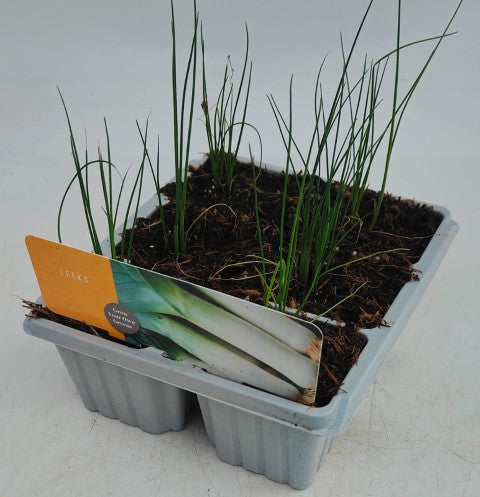
x10 Leeks - Vegetable Transplants
x10 Leeks - Vegetable Transplants
Regular price
£10.99 GBP
Regular price
Sale price
£10.99 GBP
Unit price
/
per
Tax included.
Couldn't load pickup availability
Leek (Allium ampeloprasum) is a biennial vegetable that belongs to the onion family (Alliaceae). It is popular in many cuisines around the world, known for its mild onion-like flavor. Here are some key points about leek plants:
Growing Leeks
-
Climate and Soil:
- Leeks prefer cool weather and can be grown in spring or fall. They thrive in well-drained, fertile soil with a pH of around 6.0 to 7.0.
-
Planting:
- Leeks can be started from seeds indoors or planted directly into the garden. If starting seeds indoors, sow them about 8-10 weeks before the last frost.
- Transplant the seedlings outside when they are about 6 inches tall, ideally spacing them about 6 inches apart in rows 12 inches apart.
-
Watering and Fertilizing:
- Leeks need consistent moisture, especially during their growth period. Water them regularly to keep the soil evenly moist.
- Fertilize with a balanced fertilizer or compost to provide the necessary nutrients.
-
Harvesting:
- Leeks can be harvested when they reach a diameter of about 1 inch, typically 90 to 120 days after planting.
- They can be left in the ground until needed, as they can withstand light frosts.
Uses in Cooking
- Leeks can be used in various dishes, including soups, stews, and casseroles. They can be sautéed, roasted, or grilled.
- They are particularly famous in French cuisine, where they are often used in soups like Vichyssoise (cold potato and leek soup).
Storage
- Fresh leeks can be stored in the refrigerator for a week or two. For longer storage, they can be blanched and frozen.
- They can also be kept in a cool, dark place for a short period.
Benefits
- Leeks are low in calories and a good source of vitamins A, C, and K, as well as fiber and several important minerals.
- Their mild flavor and versatility make them a favorite among chefs and home cooks alike.
Pests and Diseases
- Leeks can be affected by pests like thrips, onion maggots, and aphids. Fungal diseases such as downy mildew can also be a concern. Regular monitoring and good garden hygiene can help manage these issues.
Leeks are a rewarding crop to grow, offering both culinary versatility and health benefits. If you're considering planting them, proper care and attention will lead to a bountiful harvest!
Share